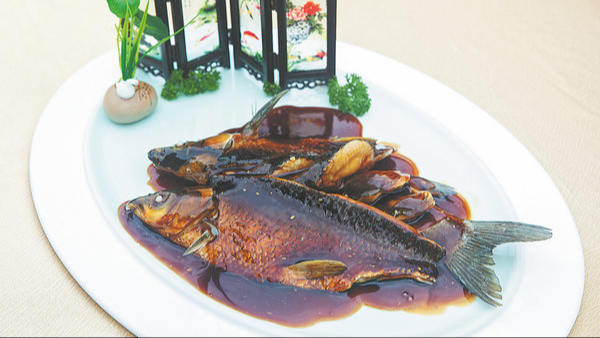
West Lake Fish in Vinegar Sauce
Introduction
West Lake Fish in Vinegar Sauce, known as Xihu Cuyu in Chinese, is a quintessential dish from the Zhejiang province, particularly associated with Hangzhou, the capital city. This delicacy is inspired by the renowned West Lake, a UNESCO World Heritage site cherished for its breathtaking landscapes and cultural significance. The dish is a staple in Zhejiang cuisine, celebrated for its harmonious blend of flavors that offer both sweet and sour notes, creating a unique taste experience. Generally prepared using grass carp, the fish is marinated and cooked in a distinct vinegar sauce that imparts a rich, dark red hue, and tenderizes the fish to perfection. This dish not only encapsulates the essence of Zhejiang's culinary art but also offers a sensory journey into the region's tradition.
History
The origins of West Lake Fish in Vinegar Sauce can be traced back to the Song Dynasty (960-1279). It is believed to have been created during this period, showcasing the historical depth and cultural heritage of Zhejiang's cuisine. The dish gained its current name during the Qing Dynasty (1644-1911) and has since been praised by poets for its exquisite flavors. Over centuries, the dish has maintained its prominence, becoming an emblem of Hangzhou's gastronomic identity, frequently featured in literature and art. Its creation is deeply intertwined with the region's history and the significance of the West Lake, making it not just a culinary delight, but a piece of cultural history.
Ingredients
The foundation of West Lake Fish in Vinegar Sauce lies in its carefully selected ingredients. The primary ingredient is grass carp, chosen for its firm texture and ability to absorb flavors. The vinegar sauce is crafted from a blend of rice vinegar, soy sauce, sugar, and ginger, which contribute to the sauce's signature sweet and sour taste. Garlic and scallions are often added to enhance the aroma. The balance of these ingredients is crucial in achieving the dish's distinctive flavor profile, ensuring that each element complements the other.
Preparation Method
Preparation of Fish
The preparation of the fish begins with the selection of a fresh grass carp. The fish is cleaned thoroughly, with scales and fins removed, and then it is scored to allow the marinade to penetrate deeply. This preparation ensures that the fish remains tender and flavorful throughout the cooking process.
Making the Vinegar Sauce
The vinegar sauce is the heart of the dish and requires precise balancing of ingredients. Rice vinegar serves as the base, to which soy sauce is added for depth of flavor. Sugar is incorporated to introduce sweetness, counteracting the acidity of the vinegar. Fresh ginger, garlic, and scallions enhance the sauce with their aromatic qualities. The ingredients are simmered together to create a cohesive sauce that will envelop the fish in a vibrant, flavorful glaze.
Cooking Process
Once the fish and sauce are prepared, the cooking process begins by gently poaching the fish in water until it is just cooked through. This method preserves the fish's delicate texture. After poaching, the fish is carefully transferred to a serving plate. The prepared vinegar sauce is then poured over the fish, infusing it with its rich, aromatic flavors. This process not only enhances the fish's taste but also gives it a visually appealing dark red glaze.
Cultural Significance
West Lake Fish in Vinegar Sauce is more than just a culinary dish; it represents the cultural and historical fabric of Zhejiang. Its connection to West Lake, a symbol of beauty and tranquility, elevates its status within the province's gastronomy. The dish embodies the balance and harmony prevalent in Chinese philosophy, mirroring the serene landscapes of West Lake. Its enduring popularity over centuries underscores its integral role in both local tradition and Zhejiang's culinary heritage.
Popularity and Influence
The popularity of West Lake Fish in Vinegar Sauce extends beyond Zhejiang, making it a celebrated dish across China. Its fame has been bolstered by its inclusion in numerous restaurant menus and culinary guides, including the prestigious Michelin Guide. The dish's influence can be seen in the way it has inspired chefs to reinterpret and innovate within traditional Chinese cuisine, thus keeping the legacy of Zhejiang's culinary artistry alive and vibrant in modern dining settings.








